Sustainable Wedding Trends UK 2026: The Ultimate Guide to Eco-Conscious Luxury
Explore the top sustainable wedding trends in the UK for 2026. From zero-waste catering to biophilic decor, plan your eco-friendly dream wedding with Shadibox.
The Shift Toward Intentionality: Why Sustainability is the 2026 Standard
As we move further into 2026, the UK wedding industry has undergone a profound transformation. Sustainability is no longer a niche 'extra' or a buzzword; it has become the baseline for modern couples. According to recent industry reports, over 80% of couples planning their nuptials this year are prioritising environmental impact alongside aesthetics. This shift toward 'Organic Opulence' defines the 2026 wedding season, where luxury and eco-consciousness live in perfect harmony. At Shadibox, we have seen a significant surge in searches for vendors who hold green credentials, proving that the UK's 'Nearlyweds' are more intentional than ever about their carbon footprint.
Zero-Waste Catering and Hyper-Local Menus
One of the most impactful sustainable wedding trends in the UK for 2026 is the rise of the low-carbon, hyper-local menu. Couples are moving away from imported delicacies in favour of ingredients sourced within a 30-mile radius of their venue. This 'Farm-to-Wedding' approach not only supports local British farmers but significantly reduces the 'food miles' associated with the celebration.
The End of the Formal Sit-Down?
While traditional three-course meals still have their place, 2026 is the year of the 'Shared Feasting' style. This interactive dining experience reduces food waste by allowing guests to take only what they want. Many caterers found via Shadibox are now offering 'Zero-Waste' packages, which include creative ways to repurpose leftovers or ensure all organic waste is composted. From botanical cocktails using garden-grown herbs to late-night food trucks serving locally sourced vegan sliders, the focus is on quality over quantity.
Biophilic Design: The "Living Decor" Revolution
In terms of aesthetics, 2026 is all about 'bringing the outside in.' Biophilic design is a major driver for venue styling this year. Instead of cut flowers that are discarded after 24 hours, couples are opting for 'Living Decor.' Think aisles lined with potted ferns, architectural greenery, and even small trees that can be replanted after the big day.
Foam-Free Floristry
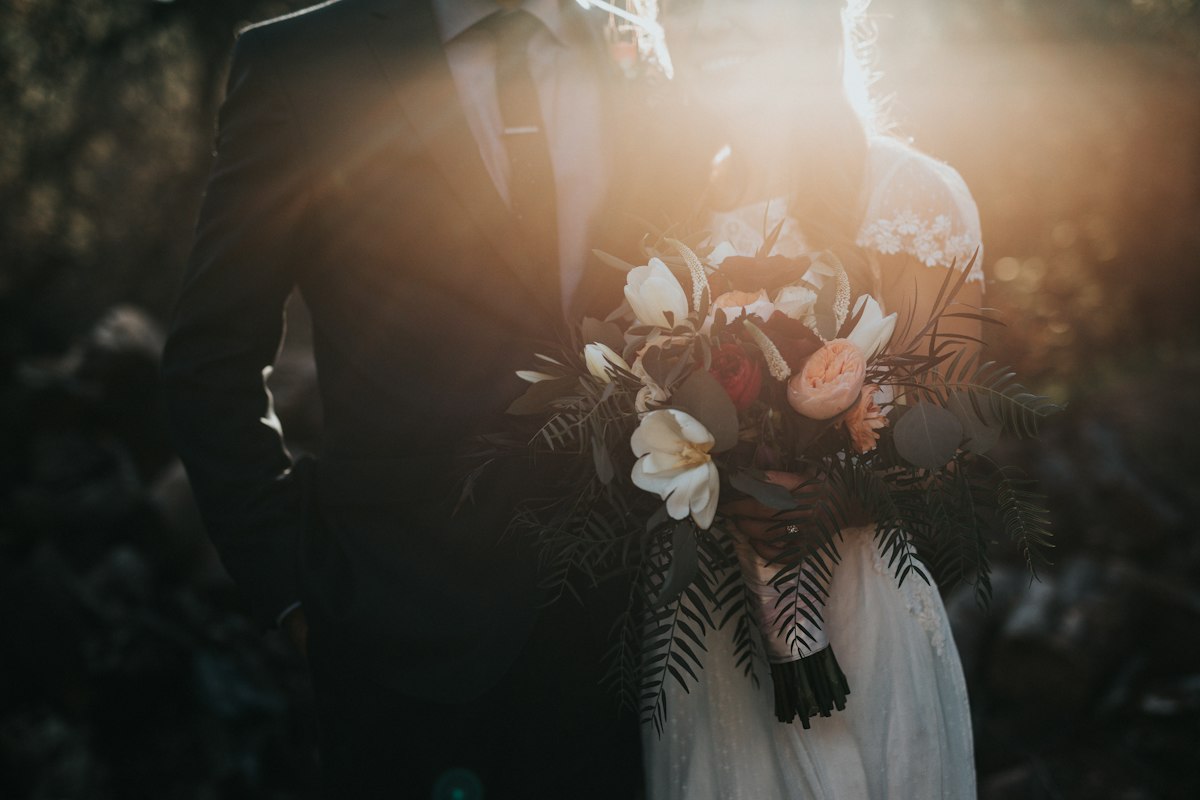
Floral foam (the green plastic stuff) is officially out. UK florists are now masters of 'foam-free' techniques, using reusable structures like chicken wire and moss. For those who still love the look of traditional blooms, seasonal British flowers are the top choice. In May 2026, we are seeing a massive trend toward sculptural Calla Lilies and vibrant, wild-grown lupins. These 'Modern Meadows' create a high-impact, editorial look without the environmental cost of imported, refrigerated flowers.
Ethical Fashion and Pre-loved Luxury
Bridal fashion in 2026 is undergoing a 'Rental Revolution.' With the rise of the circular economy, more UK brides are choosing to rent designer gowns or purchase pre-loved 'something borrowed' silhouettes. This trend isn't just about saving money—though with the average UK wedding costing around £22,000, it certainly helps—it is about the 'story' behind the garment.
Something Old, Something Reimagined
We are seeing a trend toward 'Sentimental Fashion,' where family heirlooms are reworked into modern corsetry or basque waists, a nod to the enduring 'Bridgerton' influence. Grooms are also getting in on the act, opting for bespoke suits made from sustainable British wool or organic linens. For those looking for ethical jewellery, lab-grown diamonds and recycled gold have become the standard for 2026 engagement and wedding rings.
Digital Innovation and Carbon-Neutral Planning
Technology is playing a vital role in making 2026 weddings more sustainable. Digital-first planning is the new norm. Paperless invites, QR code menus, and AI-powered guest management tools are significantly reducing paper waste. On Shadibox, couples can easily manage their vendor shortlist digitally, reducing the need for multiple site visits and excessive travel during the planning phase.
Carbon-Neutral Venues
The choice of venue is the biggest factor in a wedding's carbon footprint. In 2026, UK couples are flocking to venues that run on 100% renewable energy or those that have active rewilding projects. Barns and country houses remain the most popular choices, but with a new twist: they must offer comprehensive recycling systems and sustainable heating solutions. By using the filtering tools on Shadibox, you can find venues across the UK that prioritise these eco-friendly initiatives.
How to Plan Your Sustainable Wedding with Shadibox
Planning a sustainable wedding doesn't mean compromising on style. The key is to find the right partners who share your values. Shadibox is the UK's leading vendor marketplace, designed to connect you with the very best wedding professionals who are leading the charge in sustainability. Whether you are looking for a zero-waste caterer in London, a foam-free florist in the Cotswolds, or a carbon-neutral venue in Scotland, our platform makes it easy to curate a dream team that respects the planet as much as you do.
Frequently Asked Questions About Sustainable Weddings
Is a sustainable wedding more expensive?
Not necessarily. While some organic or ethical products carry a premium, many sustainable choices actually save money. Opting for seasonal British flowers, renting your wedding attire, or choosing a digital invitation suite can significantly reduce your costs. Many couples find that by trimming the guest list (a major 2026 trend) and focusing on high-quality, local suppliers, they can have a more luxurious experience for the same budget.
How do I find truly 'green' wedding vendors in the UK?
The best way is to use a trusted platform like Shadibox. Look for vendors who explicitly mention their sustainability practices, such as their sourcing policies, waste management, or carbon offsetting. Don't be afraid to ask direct questions: 'Do you use floral foam?', 'Where do you source your ingredients?', or 'What happens to the waste after the event?'
What are the best seasonal flowers for a UK wedding in May?
In May, the UK is in full bloom. For a sustainable choice, look for Peonies, Tulips, Sweet Peas, and Lily of the Valley. These are all available from British growers during this period, meaning they haven't been flown in from overseas, resulting in a much lower carbon footprint and a fresher, more fragrant display.
Can a large wedding still be sustainable?
Absolutely. While 'Micro-weddings' are inherently more eco-friendly, larger celebrations can be made sustainable through careful planning. Focus on group transport for guests (like vintage buses), a purely plant-forward or hyper-local menu, and a venue with strong environmental policies. The goal is 'progress over perfection'—every small choice makes a difference.
What should I do with my decor after the wedding?
Plan for the 'afterlife' of your items. Living plants can be given to guests as favours or planted in your own garden. Fabric drapes can be donated or sold on second-hand marketplaces. For items you don't wish to keep, platforms like Shadibox often have networks of vendors who can help you repurpose or donate your wedding items to ensure they don't end up in a landfill.
What are 'low-carbon' menus?
A low-carbon menu focuses on reducing the greenhouse gas emissions associated with food production and transport. This usually involves prioritising plant-based dishes, using seasonal produce, and avoiding ingredients that require air-freight. Many 2026 UK couples are opting for 'climate-friendly' menus that highlight the best of British seasonal vegetables and grains.