The Ultimate Guide to Sustainable Wedding Trends 2026: Planning Your Eco-Chic UK Celebration
Discover the top sustainable wedding trends for 2026 in the UK. From zero-waste florals to eco-venues, plan your perfect green wedding with Shadibox vendors.
The Evolution of the UK Wedding: Why Sustainability is Leading the Way in 2026
As we navigate through 2026, the UK wedding industry has seen a profound shift. Gone are the days of excessive waste and single-use plastic. Today, the most sought-after celebrations are defined by 'Conscious Luxury'—a trend that marries high-end aesthetics with deep environmental responsibility. Modern couples are no longer just looking for a beautiful day; they are looking for a day that reflects their values. In this comprehensive guide, we explore the top sustainable wedding trends of 2026 and how you can organise a breathtaking, eco-friendly celebration in the UK using the Shadibox marketplace.
1. Zero-Waste Floral Design and Living Decor
One of the biggest transformations in 2026 is the move away from traditional cut flowers. While beautiful, the floral industry has historically been associated with high carbon footprints and non-recyclable floral foam. This year, 'Living Decor' has taken centre stage.
The Rise of Potted Plants and Trees
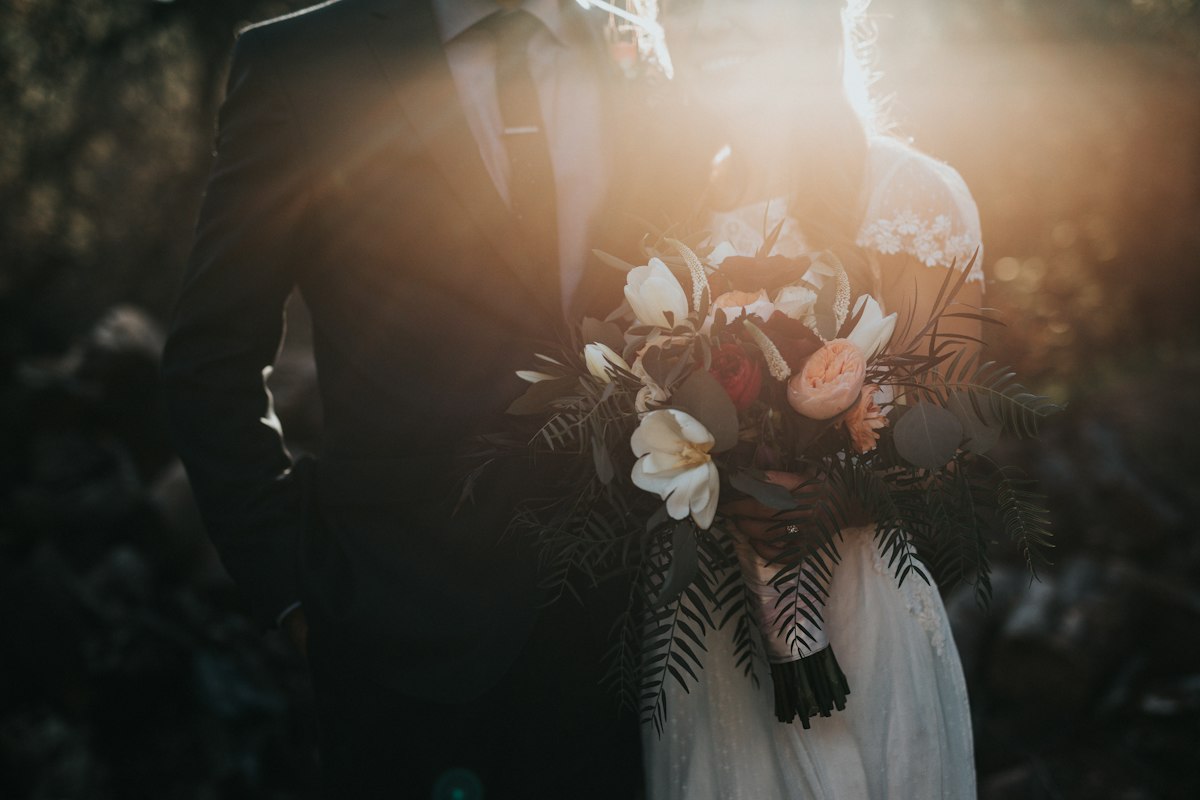
Instead of cut arrangements that wither after 24 hours, couples are opting for potted English lavender, bay trees, and lush ferns to line their aisles. Not only do these create a woodland-enchantment vibe, but they can also be replanted in your garden or gifted to guests, serving as a living memory of your special day. When searching for florists on Shadibox, look for those specialising in seasonal, UK-grown blooms and foam-free techniques.
Dried and Repurposed Blooms
For those who love the look of traditional bouquets, dried flowers are more popular than ever. They offer a rustic, bohemian aesthetic that lasts for years. Furthermore, 'floral repurposing' has become a standard service, where ceremony flowers are expertly moved to the reception space by your team to ensure every stem is enjoyed to the fullest.
2. The 'Locavore' Wedding Menu: From Farm to Table
Catering trends in 2026 are all about the story behind the food. The modern UK couple is prioritiseing 'Locavore' menus—dishes created entirely from ingredients sourced within a 30-mile radius of the venue. This reduces 'food miles' and supports local British farmers.
Plant-Forward Dining
Even for non-vegan couples, plant-forward menus have become a mark of sophistication. Think heritage tomato galettes, salt-baked beetroot, and truffle-infused mushroom risottos. High-end caterers found through Shadibox are now offering 'low-impact' tasting menus that focus on soil health and seasonal availability, ensuring that your wedding breakfast is as ethical as it is delicious.
Zero-Waste Bars
The 2026 bar scene is dominated by botanical cocktails and English sparkling wines. Distilleries that use 'wonky' fruit for infusions and venues that have eliminated single-use glass bottles in favour of sophisticated keg systems are leading the charge. This not only reduces waste but often provides a more unique, artisanal experience for your guests.
3. Ethical Fashion: Upcycled Couture and Heirloom Fabrics
The bridal industry is witnessing a revolution in fashion. In 2026, 'New-to-You' is the new 'Couture'. Many UK brides are opting for high-end vintage gowns or having family heirlooms modernised by specialist tailors.
Sustainable Fabrics
When buying new, the focus is on regenerative materials. Peace silk (where silkworms are not harmed), organic cotton, and even fabrics made from pineapple or mycelium fibres are appearing on the runways. British designers are leading this niche, focusing on 'slow fashion' principles where every garment is made to order to prevent overproduction. Using Shadibox, you can connect with boutique designers and bridal shops across the UK who prioritise ethical supply chains.
4. Tech-Forward Planning to Reduce Paper Waste
Digital integration is no longer just a convenience; it’s a sustainability staple. In 2026, the traditional 5-piece paper invitation suite is being replaced by immersive digital experiences.
QR Codes and Personalised Apps
From digital RSVP tracking to interactive venue maps, couples are using technology to eliminate paper waste. For those who still love the tactile feel of stationery, seed paper (which can be planted to grow wildflowers) and recycled cotton rag are the preferred choices. Most planners and stationers on Shadibox now offer eco-bundles that combine digital efficiency with sustainable physical touches.
5. Choosing the Perfect Eco-Venue
The venue is the largest component of your wedding's carbon footprint. In 2026, we are seeing a surge in popularity for 'Off-Grid' luxury venues. These include solar-powered barns, carbon-neutral country houses, and woodland estates that invest a portion of their fees into local reforestation projects.
When browsing venues on Shadibox, look for those with 'Green Tourism' awards or clear sustainability policies. A venue that manages its own composting, uses renewable energy, and has a strict no-plastic policy will do a lot of the heavy lifting for you in terms of your wedding's environmental impact.
How Shadibox Helps You Plan a Sustainable UK Wedding
Organising an eco-conscious wedding requires a curated team of like-minded professionals. Shadibox is the UK’s premier vendor marketplace designed to simplify this process. Our platform allows you to:
- Filter by Values: Easily identify vendors who prioritise sustainability, from plastic-free caterers to eco-friendly transport providers.
- Local Sourcing: Use our location-based search to find vendors near your venue, significantly reducing the carbon footprint associated with travel.
- Direct Communication: Chat with suppliers about their eco-credentials before you book, ensuring they align with your 2026 wedding vision.
By choosing Shadibox, you are not just planning a wedding; you are supporting a network of UK small businesses committed to a greener future.
Frequently Asked Questions
Is a sustainable wedding more expensive?
Not necessarily. While some organic or ethically sourced products may have a higher price tag, you often save money by reducing 'clutter'. For example, opting for a digital invite suite or seasonal local flowers can significantly reduce costs. It is about reallocating your budget to quality over quantity.
What is 'Floral Foam' and why should I avoid it?
Floral foam (often known by the brand name Oasis) is a non-biodegradable plastic that breaks down into microplastics, which are harmful to the environment. In 2026, top UK florists use sustainable alternatives like 'chicken wire' armatures, kenzans (metal frogs), or moss to hold arrangements in place.
How can I ensure my wedding dress is eco-friendly?
Look for designers who use GOTS-certified organic fabrics or recycled lace. Alternatively, consider renting a gown or buying a pre-loved dress from a reputable boutique. Many vendors on Shadibox specialise in altered vintage pieces that give a second life to beautiful garments.
Are digital invitations considered 'informal'?
In 2026, digital invitations are widely accepted as a modern and responsible choice. You can make them feel formal with high-quality graphic design, personalised video messages, and sleek, user-friendly interfaces. It reflects a couple that is tech-savvy and environmentally conscious.
Can I have a sustainable wedding in a city like London?
Absolutely! Urban weddings can be incredibly sustainable. You can choose venues with excellent public transport links (reducing guest travel emissions), use local urban breweries, and work with caterers who source from city-based community gardens. Shadibox has an extensive list of urban vendors who specialise in 'Green City' weddings.
What should I do with leftover food?
Discuss a 'Food Rescue' plan with your caterer before the big day. Many sustainable caterers in the UK partner with local food banks or charities to donate untouched food. Alternatively, you can provide eco-friendly takeaway boxes for guests to take home leftovers, ensuring nothing goes to waste.