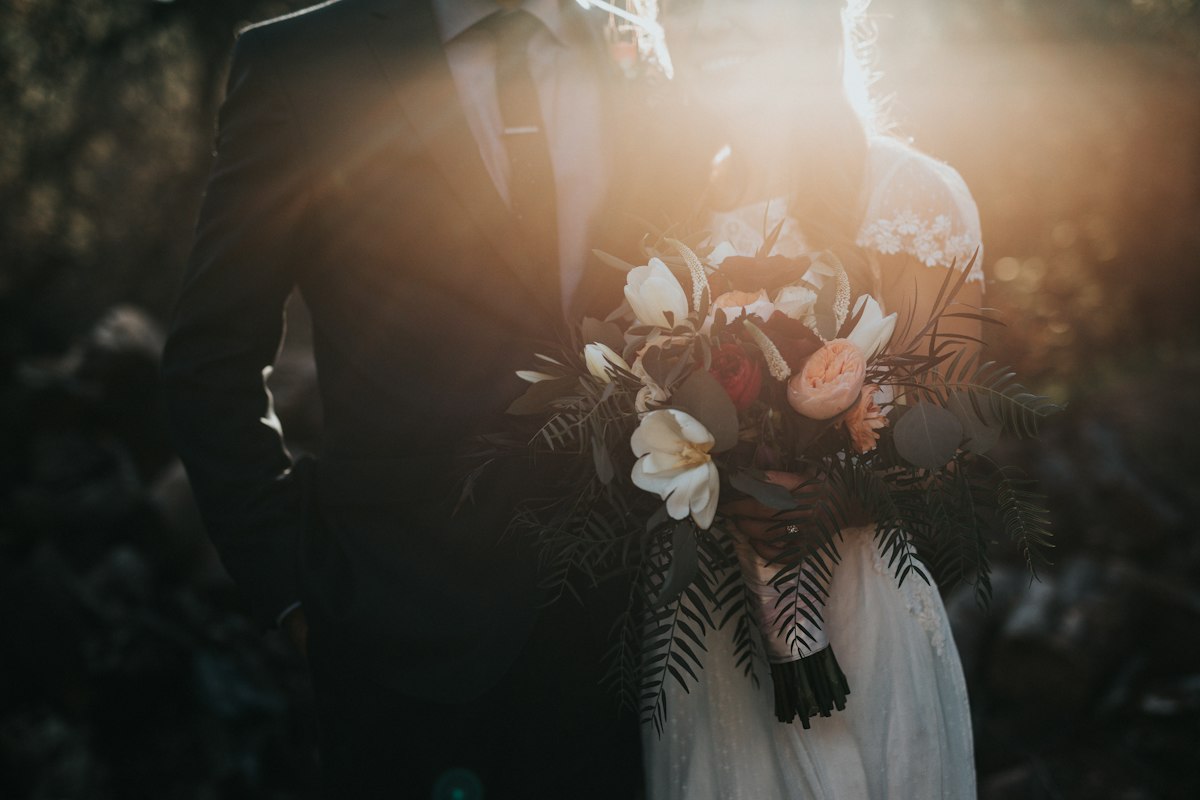
Sustainable Wedding Trends 2026: The Ultimate UK Guide to Eco-Chic Celebrations
Discover top sustainable wedding trends for 2026 in the UK. From dopamine decor to eco-friendly catering, plan your perfect green wedding with Shadibox vendors.
The New Era of UK Weddings: Why 2026 is the Year of the 'Eco-Chic' Celebration
As we move further into 2026, the UK wedding landscape has undergone a profound transformation. Gone are the days when 'sustainable' meant compromising on style. Today, eco-conscious planning is the gold standard for modern couples. According to recent industry data, over 80% of couples planning their nuptials this year have prioritised environmental impact alongside aesthetics. At Shadibox, we’ve seen a massive surge in searches for vendors who specialise in low-waste, high-impact celebrations.
The 2026 wedding isn't just an event; it's a statement of values. Couples are moving away from 'one-day-only' items and embracing 'forever' choices. This shift is what we call 'Eco-Chic'—a blend of luxury, personalisation, and deep respect for the planet. Whether you're planning a grand manor house affair or an intimate city rooftop gathering, here is your definitive guide to the sustainable trends defining UK weddings in 2026.
1. Dopamine Decor: Sustainable doesn't mean Neutral
For years, the 'green wedding' was synonymous with beige, hessian, and muted tones. 2026 has officially broken that mould with the rise of Dopamine Decor. This trend is all about using vibrant, joy-inducing colours to create an immersive experience for guests, but doing so without the plastic waste of yesteryear.
Bold, Clashing Palettes
Forget safe pastels. 2026 is the year of cobalt blue, hot pink, and 'Cloud Dancer' white. Couples are layering these bold hues through rented linens, colourful glassware, and sustainable floral installations. The key to keeping this eco-friendly? Renting everything. By using marketplaces like Shadibox to find premium decor hire companies, you can achieve a high-end, maximalist look without purchasing a single item that will end up in a landfill.
The Return of Disco and Retro Accents
Nostalgia is hitting hard in 2026. We’re seeing a massive comeback of 70s-inspired disco balls and 90s retro vibes. These items are perfect for sustainability because they are highly reusable. Many UK planners are now 'styling with a story,' sourcing vintage pieces that add character and soul to the venue. Think mismatched vintage chairs and antique brass candlesticks that feel intentionally curated rather than mass-produced.
2. 'Living' Florals and Sculptural Blooms
Floral trends have taken a turn toward the architectural in 2026. The traditional oversized, loose bouquet is being replaced by sculptural minimalism. This approach uses fewer stems but places them with high intentionality, often treated as pieces of art rather than background filler.
Potted Plants and Modern Meadows
Instead of cut flowers that wilt within 24 hours, UK couples are opting for 'living' decor. Potted trees, ferns, and indoor 'meadows' created from indigenous plants are becoming the centrepiece of ceremony aisles. These can be replanted in the couple's garden or gifted to guests, ensuring the beauty of the day lives on. When searching for florists on Shadibox, look for those who avoid floral foam (a major pollutant) and focus on seasonal, UK-grown blooms like Calla Lilies and Sweet Peas.
Dried and Preserved Installations
Dried flowers have evolved beyond the 'boho' look. In 2026, they are used in sleek, modern installations hanging from ceilings or framing industrial warehouse windows. Because they last for years, they are the ultimate sustainable choice for couples who want a dramatic visual impact without the carbon footprint of imported, out-of-season flowers.
3. Tech-Savvy Planning: AI for a Greener Wedding
Technology and sustainability are going hand-in-hand in 2026. The integration of AI into wedding planning has made it easier than ever to reduce waste through precision. Couples are using AI-powered platforms to perfectly calculate catering quantities, reducing food waste by up to 30%.
Paperless Guest Journeys
The 2026 guest journey is almost entirely digital. From stunning, high-design e-invites to interactive wedding apps that house everything from the gift registry to live travel updates, paper waste is becoming a thing of the past. QR codes are now elegantly integrated into table styling, allowing guests to view menus, leave digital messages in an 'audio guestbook,' and even access a curated playlist of the couple's favourite songs.
AI-Driven Vendor Matching on Shadibox
Finding the right team is the most crucial part of planning an eco-chic wedding. Shadibox leverages the latest technology to match you with UK vendors who align with your specific sustainability criteria. Whether you need a caterer who sources within a 20-mile radius or a photographer who offers carbon-neutral packages, the platform simplifies the search, saving you time and ensuring your values are reflected in every contract.
4. The 'Slow Food' Catering Movement
Wedding food in 2026 is all about the experience and the origin. The formal three-course sit-down meal is being challenged by more interactive, social ways of eating that celebrate local British produce.
Grazing Tables and Interactive Stations
Shared-style dining is the biggest catering trend this year. Large grazing tables filled with artisanal UK cheeses, locally cured meats, and seasonal vegetables allow guests to mingle and eat at their own pace. Not only does this create a 'festival vibe,' but it also significantly reduces the waste associated with individual plated meals. Live cooking stations—where chefs prepare seasonal risotto or wood-fired pizzas on-demand—ensure that food is fresh and portioned correctly.
Plant-Forward Menus
Even for non-vegan couples, plant-forward menus are becoming the norm. By making locally-sourced vegetables the 'star of the show,' caterers can reduce the overall carbon footprint of the event while offering creative, delicious dishes that surprise and delight guests. Think heritage tomato tarts, salt-baked beetroot, and truffle-infused wild mushroom sliders.
5. Sustainable Fashion: The 'Second Look' and Beyond
Bridal fashion in 2026 is defined by versatility and heritage. The 'one-wear' dress is out. In its place, we are seeing the rise of the 'Multi-Way' gown and the 'Second Look'—often achieved through detachable sleeves, capes, or skirts that transform a ceremony look into a party outfit.
Pre-loved and Heirloom Pieces
Sustainability has made second-hand wedding fashion desirable. Brides are proudly sourcing designer gowns from luxury resale platforms or choosing 'upcycled' dresses that incorporate elements of a family member's wedding attire. Grooms, too, are moving away from cheap fast-fashion suits, opting instead for high-quality, patterned tailoring in natural fibres like linen and wool that can be worn for years to come.
6. Intimate Guest Lists, Immersive Experiences
While guest lists in 2026 are slightly smaller on average, the spend-per-head has increased. Couples are choosing to host fewer people but providing a much deeper, more immersive experience. This 'Micro-Luxury' trend allows for more sustainable choices, as managing the environmental impact of 50 guests is far simpler than 200.
Multi-Day 'Wed-cations'
Many UK couples are extending their celebrations into 2-3 day 'staycations' in the British countryside. By keeping the celebration local and encouraging guests to stay on-site, travel emissions are reduced. These multi-day events often include sustainable activities like guided nature walks, communal farm-to-table breakfasts, and even 'silent discos' to protect local wildlife from noise pollution.
Final Thoughts on Planning Your 2026 Wedding
Planning a sustainable wedding in 2026 isn't about restriction; it's about curation. It’s about choosing vendors who care as much about the planet as they do about your big day. By using a comprehensive marketplace like Shadibox, you can easily discover and book the UK's top eco-conscious wedding professionals, from solar-powered venues to zero-waste florists.
Your wedding is the first day of your new life together. By choosing to make it a sustainable one, you’re not just creating a beautiful memory—you’re contributing to a more beautiful future.
Frequently Asked Questions (FAQ)
What is the most popular wedding colour for 2026?
While 2026 is all about bold 'Dopamine Decor,' the standout shade is 'Cloud Dancer'—a soft, nuanced white that has been named the colour of the year. It is frequently paired with vibrant accents like cobalt blue, deep emerald, or rich burgundy to create a sophisticated yet energetic palette.
How can I make my wedding more sustainable without losing the luxury feel?
Luxury and sustainability are perfectly aligned in 2026. Focus on quality over quantity. Instead of hundreds of cheap favours, give a few high-quality, locally-made items. Renting high-end designer decor and table settings through Shadibox allows you to have a maximalist, luxurious look while remaining eco-friendly. Choosing a venue with natural character also reduces the need for excessive (and often wasteful) temporary styling.
Are digital wedding invitations considered 'proper' etiquette in 2026?
Absolutely. In 2026, digital invitations are the standard. They allow for much higher levels of personalisation and interactivity, such as embedded videos, live maps, and instant RSVP tracking. For those who still want a physical keepsake, many couples are choosing to print a very limited number of invitations on seed paper, which guests can plant after the event.
What are 'living' wedding flowers?
Living flowers refer to using potted plants, trees, and shrubs as decor instead of cut stems. This is a major trend for 2026 because it is zero-waste. After the wedding, these plants can be taken home by the couple, gifted to family, or donated to local community gardens. It’s a beautiful way to ensure your wedding greenery continues to grow long after the 'I dos.'
Is AI really useful for wedding planning?
Yes, AI has become an essential tool for the modern UK couple. It is particularly useful for logistical tasks like budget forecasting, seating chart optimisations based on guest relationships, and calculating precise food and drink quantities to prevent waste. However, AI is best used as an assistant to human creativity—your wedding planner and vendors will still provide the emotional touch that makes the day special.
Where can I find eco-friendly wedding vendors in the UK?
The best place to start is a dedicated marketplace like Shadibox. You can filter vendors by their sustainability credentials, location, and style. From eco-conscious caterers to sustainable fashion designers, the platform brings together the best of the UK wedding industry in one easy-to-use place, making your planning process both efficient and ethically minded.