Top 10 Sustainable Wedding Trends 2026: How to Plan an Eco-Chic UK Celebration
Discover the top 2026 sustainable wedding trends in the UK. From zero-waste catering to micro-luxury, plan your perfect eco-friendly wedding with Shadibox.
Top 10 Sustainable Wedding Trends 2026: How to Plan an Eco-Chic UK Celebration
As we step into the heart of the 2026 wedding season, the landscape of British nuptials has undergone a beautiful transformation. The modern UK couple is no longer just looking for a visually stunning day; they are seeking a celebration that reflects their values. This year, 'Conscious Luxury' has emerged as the definitive theme, proving that elegance and sustainability are not mutually exclusive but are, in fact, the perfect pair. At Shadibox, we have seen a significant shift in how couples approach their planning, with a heavy emphasis on intentionality and environmental stewardship. Whether you are planning a grand stately home affair or an intimate barn wedding, these top 10 trends will help you navigate the world of eco-chic celebrations in 2026.
1. Zero-Waste Gastronomy and Shared Feasts
In 2026, the traditional three-course plated meal is being replaced by interactive, shared-style dining that prioritises zero-waste principles. Couples are working with caterers on Shadibox to design menus that celebrate the best of British seasonal produce. From 'nose-to-tail' or 'root-to-stem' cooking to live fermentation stations, the focus is on reducing food miles and waste. Interactive food stations—such as locally sourced oyster bars or UK-grown vineyard tasting corners—allow guests to engage with their food while ensuring that portions are managed to avoid excess. Surplus food is no longer thrown away; instead, it is often repurposed for the next day's 'recovery brunch' or donated to local food banks through organised vendor partnerships.
2. The Rise of 'Micro-Luxury'
One of the most notable shifts this year is the move towards micro-weddings with macro budgets. Couples are opting for smaller guest lists, often under 50 people, but spending more per head to ensure a high-end, bespoke experience. This trend naturally lends itself to sustainability; fewer guests mean a smaller carbon footprint, less physical waste, and the ability to invest in higher-quality, ethically sourced materials. On the Shadibox marketplace, we have seen a surge in requests for exclusive-use venues that offer a truly intimate atmosphere, where the focus is on quality over quantity.
3. Regency Core Meets Modern Sustainability
The 'Bridgerton effect' continues to influence UK weddings in 2026, but with a green twist. Think Regency-inspired elegance—corsetry, chandeliers, and lashings of lace—paired with sustainable practices. Instead of buying new, couples are sourcing vintage lace and antique decor or choosing rental services for their high-end styling needs. Rented chandeliers and tablescapes allow for that grand, stately home aesthetic without the environmental cost of single-use items. This 'Regency-Eco' look is often grounded by a colour palette of rich jewel tones like emerald and sapphire, which are trending heavily this year.
4. Biophilic Venue Design
Biophilia—our innate connection to nature—is a primary driver for venue styling in 2026. Rather than using rigid, synthetic structures, decorators are creating 'living' installations. We are seeing 'broken arches' that appear to grow naturally from the venue floor and architectural greenery used to frame the landscape rather than hide it. The goal is to bring the outside in, using UK-grown plants and trees that can be replanted after the big day. Many venues found on Shadibox now offer dedicated spaces for these biophilic designs, integrating the natural beauty of the British countryside into the heart of the celebration.
5. Ethical and Detachable Bridal Fashion
The 2026 bride is looking for versatility and ethics in her attire. Sustainable wedding dresses made from mushroom leather, hemp silks, or recycled polyester are becoming mainstream. Furthermore, 'detachable elements' are the must-have feature of the season. Capes, overskirts, and removable sleeves allow a bride to transform her look from the ceremony to the reception without purchasing a second dress. This 'one-dress, two-looks' approach reduces consumption and encourages the idea of rewearable or repurposable bridal fashion. Many couples are also choosing lab-grown diamonds and recycled metals for their rings, ensuring their jewellery is as ethical as it is beautiful.
6. Bold Tones and Foam-Free Florals
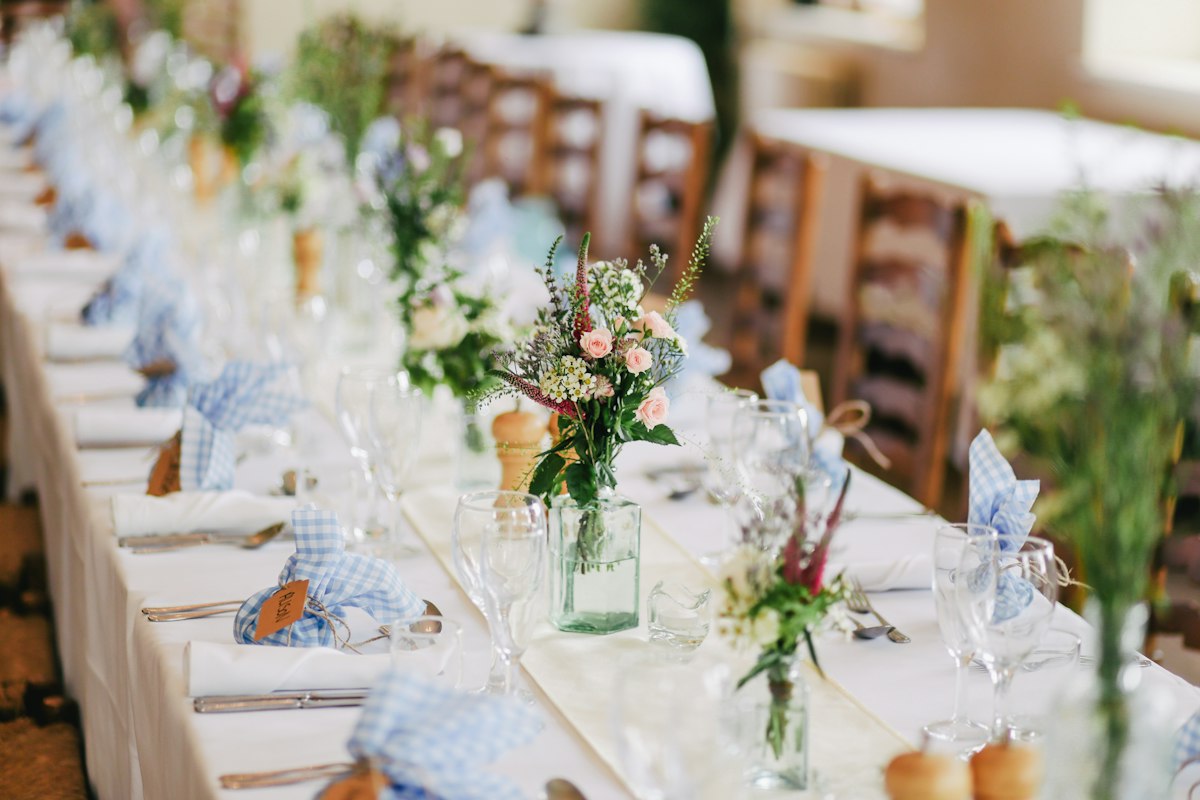
While pastels will always have a place, 2026 is the year of bold, expressive colour. Teal has emerged as a standout shade, often paired with earthy tones like burnt orange and mustard yellow. However, the real trend lies in the mechanics of the arrangements. Sustainable florists are now strictly foam-free, using reusable metal structures and moss instead of non-biodegradable floral foam. Home-grown wildflowers and seasonal blooms are prioritised over imported varieties, reducing the carbon footprint of the floral displays. At Shadibox, we recommend looking for florists who offer 'flower-sharing' schemes, where arrangements are donated to local hospices or care homes after the event.
7. Multi-Day Weekend Celebrations
Couples are moving away from the single-day sprint in favour of multi-day 'weekend weddings.' By hosting everything in one location—from the rehearsal dinner to the Sunday brunch—couples reduce the need for multiple guest journeys, thereby lowering the overall transport emissions of the event. These celebrations focus on connection and experience, often including activities like guided nature walks, outdoor yoga, or local craft workshops. It is about creating a communal atmosphere where guests can truly relax and celebrate at a slower pace.
8. Tech-Enhanced and Digital-First Experiences
Technology is being used in 2026 to enhance sustainability. Digital invitations and wedding websites have replaced traditional paper suites for many, saving tonnes of paper and postage energy. Additionally, 'audio guest books' have seen a massive rise in popularity. Instead of a physical book that may end up on a dusty shelf, guests leave voice messages on vintage-style phones, creating a digital keepsake that lasts forever. On Shadibox, you can find various tech-savvy vendors who specialise in creating these immersive, low-waste digital experiences for your guests.
9. Carbon-Neutral and Regenerative Venues
The choice of venue is the most significant decision for an eco-conscious couple. In 2026, we are seeing a rise in venues that are not just carbon-neutral but actively regenerative. From solar-powered barns in the Cotswolds to country houses that invest in local rewilding projects, venues are now being judged on their environmental credentials. Many of the top-rated venues on Shadibox now provide a sustainability report for couples, detailing their energy use, waste management policies, and support for local biodiversity.
10. Candid, Editorial-Style Photography
The final trend for 2026 is a shift in how the day is captured. Stiff, posed portraits are taking a backseat to 'candid editorial' photography. This style focuses on the raw, unscripted moments of the day—the laughter, the tears, and the messy, joyful reality of a wedding. From a sustainability perspective, this often means less equipment and a smaller footprint on the day. Couples want their albums to look like a spread in a high-end magazine, capturing the essence of their 'Conscious Luxury' celebration without the need for forced perfection.
How Shadibox Helps You Plan Your Sustainable UK Wedding
Planning a wedding that is both luxurious and sustainable can feel like a daunting task, but it doesn't have to be. Shadibox (shadibox.co.uk) is designed to simplify this process. Our marketplace connects you with the finest UK wedding vendors who are leading the charge in sustainable practices. From eco-friendly caterers to carbon-neutral venues and ethical florists, we provide the tools and the talent to bring your vision to life. By choosing vendors who prioritise the planet, you are ensuring that your first step into married life is one that you can be truly proud of.
Frequently Asked Questions
Is a sustainable wedding more expensive?
Not necessarily. While some ethical materials (like organic silks or lab-grown diamonds) can have a higher upfront cost, many sustainable practices actually save money. Reducing your guest list, choosing a seasonal menu, and opting for digital invitations can significantly lower your overall budget. Sustainability is often about quality over quantity, which can lead to a more luxurious feel without a higher price tag.
How do I tell my guests we want a plastic-free wedding?
Communication is key. You can use your digital invitations or wedding website to explain your vision. Phrasing it as a shared goal, such as "In our efforts to protect the environment, we are aiming for a plastic-free celebration," helps guests understand and support your choices. Most guests in 2026 are very receptive to eco-friendly initiatives.
Can I still have a luxury wedding while being eco-friendly?
Absolutely. In fact, 'Conscious Luxury' is the biggest trend of 2026. High-end weddings this year are defined by bespoke, intentional choices. Think of it as 'refined sustainability'—where every detail is carefully considered for its beauty and its impact. Rented high-end decor, gourmet zero-waste catering, and exclusive-use venues are all hallmarks of a luxury eco-wedding.
What are the best seasonal flowers for a UK summer wedding?
For a summer wedding in the UK, look for blooms like peonies, sweet peas, dahlias, and cosmos. These are all beautiful, fragrant, and can be grown locally. By choosing seasonal flowers, you ensure they are at their freshest and have the lowest possible carbon footprint.
How do I reduce food waste at my wedding?
Start by having an accurate guest count and choosing a caterer who specialises in zero-waste menus. Opt for shared platters or food stations where guests can take what they want, rather than pre-plated meals. You can also arrange for leftovers to be safely stored for a brunch the following day or donated to a local charity.
Is digital stationery really better for the environment?
Yes, significantly. Digital invitations eliminate the need for paper production, chemical inks, and the carbon emissions associated with physical delivery. If you still love the look of paper, consider using recycled seed paper for a few key items like menus, which guests can then plant in their gardens after the wedding.