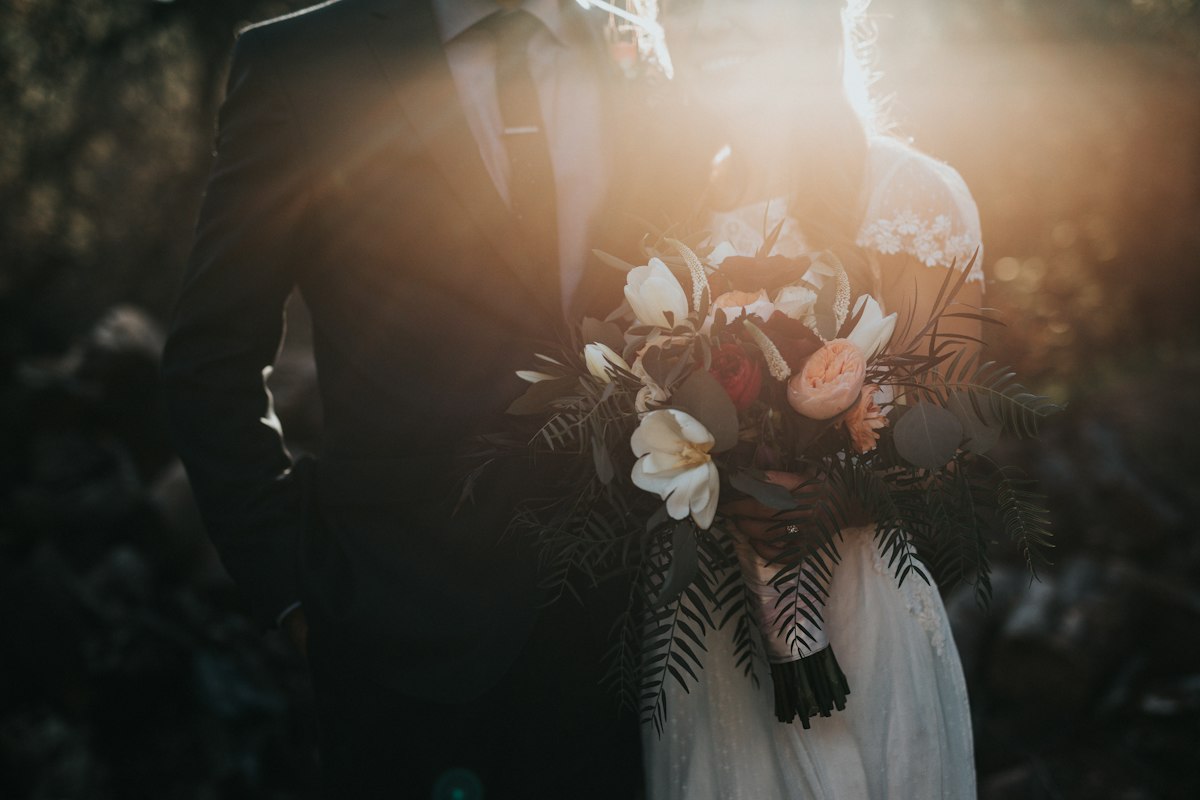
Sustainable Wedding Planning UK: The Ultimate 2026 Guide to Eco-Chic Celebrations
Planning an eco-friendly wedding in 2026? From zero-waste catering to ethical venues, discover the top UK sustainable wedding trends with Shadibox. Read more!
In 2026, the UK wedding landscape has shifted from grand, single-use spectacles to what experts are calling the 'Eco-Chic' movement. For modern couples, sustainability is no longer just a niche preference; it is a core value. From the rolling hills of the Cotswolds to the urban rooftops of London, the focus has moved toward creating high-impact memories with a low-impact environmental footprint.
Planning a sustainable wedding in the UK doesn't mean compromising on style or luxury. In fact, many of the most sought-after trends for 2026—such as farm-to-table dining and vintage fashion—are inherently eco-friendly. If you are looking to organise a celebration that reflects your love for both each other and the planet, this comprehensive guide will walk you through everything you need to know about the current state of sustainable weddings.
The Rise of the 'Eco-Chic' Wedding in 2026
Why has sustainability become the defining trend of 2026? As awareness of climate change grows, UK couples are increasingly conscious of the waste generated by traditional weddings. Industry reports suggest that the average wedding produces roughly 18kg of plastic and 63 tonnes of CO2. To combat this, couples are using platforms like Shadibox to find vendors who specialise in ethical practices, from plastic-free floristry to zero-waste catering.
1. Choosing an Ethical Wedding Venue
Your choice of venue is the most significant decision you will make in terms of sustainability. In 2026, two types of venues are leading the way in the UK:
All-Inclusive Eco-Estates
Many heritage estates and barn venues across the UK have undergone 'green' renovations. These venues often feature solar power, rainwater harvesting systems, and on-site organic gardens. By choosing an all-inclusive eco-estate, you reduce the carbon footprint associated with transporting furniture, kitchens, and decor from various locations.
Dry-Hire Outdoor Celebrations
For those who want total control, dry-hire outdoor venues—such as woodland clearings or coastal meadows—are incredibly popular. These allow you to bring in local, sustainable suppliers found on Shadibox. However, ensure your venue has a clear 'Leave No Trace' policy to protect the local biodiversity.
2. Sustainable Wedding Catering: Farm-to-Table Excellence
Catering trends in 2026 are all about 'Experience-Led Dining' that prioritises local provenance. Guests today want to know the story behind their food.
- Seasonal & Local: UK caterers are moving away from imported out-of-season produce. Expect menus featuring Welsh lamb, Scottish seafood, and English garden vegetables.
- The Plant-Forward Movement: Even non-vegan couples are opting for plant-forward menus. In 2026, vegetables are the stars of the plate—think roasted cauliflower steaks or heritage carrot carpaccio.
- Zero-Waste Kitchens: Leading caterers now offer zero-waste menus, where every part of the ingredient is used, and any leftovers are composted or donated to local food banks.
When searching for a caterer, look for those who avoid single-use plastics and prioritise suppliers within a 30-mile radius.
3. Ethical Wedding Fashion: The Rental and Upcycled Revolution
The 'fast fashion' era of wedding dresses is over. In 2026, the trendiest brides and grooms are looking toward more conscious choices:
The Rise of Bridal Rental
Renting a designer gown or suit has become a mainstream choice in the UK. High-end services allow you to wear a £5,000 dress for a fraction of the price, ensuring the garment lives many lives rather than sitting in a box for decades.
Vintage and Heirlooms
The 'Old Money' aesthetic and Bridgerton-inspired Regency trends have made vintage fashion highly desirable. Whether it's a 1950s lace gown or an upcycled heirloom suit, these choices are both unique and sustainable. Many UK designers now specialise in 'reworking' old garments into modern silhouettes.
4. Mindful Floristry and Decor
Floral foam (the green stuff used to hold flowers) is a major pollutant. In 2026, the best UK florists have ditched it entirely in favour of sustainable techniques like 'Kenzan' (metal frogs) or reusable moss structures.
Locally Grown Blooms
Instead of air-freighted roses from South America, 2026 weddings feature 'British Grown' flowers. These are not only better for the environment but also offer a more organic, 'meadow-style' aesthetic that is currently trending across social media. Many couples are even opting for 'living decor'—potted plants and trees that can be replanted in their own gardens after the big day.
5. Digital-First and Recycled Stationery
Paper waste is a huge concern for eco-conscious couples. The solution in 2026 is twofold:
- Digital RSVPs and Websites: Many couples now use Shadibox to manage their planning and guest lists digitally, skipping the multi-page paper invitations entirely.
- Seed Paper: For those who still want physical invites, 'seed paper' is the gold standard. Once the wedding is over, guests can plant the invitation in their garden to grow wildflowers.
How Shadibox Helps You Plan Green
Finding the right suppliers can be the hardest part of planning an eco-friendly wedding. This is where Shadibox comes in. As the leading UK wedding vendor marketplace, Shadibox allows you to filter through thousands of vendors to find those who align with your values. Whether you are searching for a caterer who uses local organic produce, a photographer who avoids physical prints in favour of digital galleries, or a venue with its own carbon-offsetting programme, Shadibox simplifies the process of building your dream green team.
Sustainable Wedding FAQ
1. Are sustainable weddings more expensive?
Not necessarily. While some organic or local products can have a higher price tag, you often save money by reducing the volume of items. For example, renting decor instead of buying it, or choosing a seasonal menu, can significantly lower costs. Furthermore, 'micro-weddings'—a key sustainable trend—naturally lower the total spend.
2. How can I reduce food waste at my wedding?
Opt for 'family-style' sharing platters rather than plated three-course meals; this allows guests to take only what they will eat. You can also work with your caterer to ensure that leftovers are collected by a food waste charity or composted locally.
3. Is it possible to have a plastic-free wedding?
Yes, but it requires careful planning. You will need to coordinate with your caterer to avoid plastic straws and cutlery, and with your florist to ensure no plastic tape or foam is used. Shadibox is a great place to find vendors who are already committed to plastic-free operations.
4. What is the most eco-friendly way to handle guest transport?
Encourage guests to use public transport or carpool. For remote venues, consider hiring a central shuttle bus (preferably electric or hybrid) to transport guests from a nearby train station or hotel. This significantly reduces the total carbon footprint of the event.
5. Can a 'Bridgerton-style' wedding be sustainable?
Absolutely! The Regency-inspired trend focuses on heritage venues and classic, timeless aesthetics. By using a historic UK venue, focusing on local flowers, and perhaps renting a basque-waist vintage gown, you can achieve that luxurious 'Old World' feel while remaining modern in your environmental ethics.
6. How do I tell my guests our wedding is eco-friendly?
Be transparent on your wedding website! Explain your choices, such as why you’ve opted for a vegetarian menu or requested no physical gifts. Most guests in 2026 are appreciative of these efforts and may even be inspired by your commitment to the planet.
Planning a wedding in 2026 is about more than just a single day; it’s about the legacy you leave behind. By embracing the sustainable trends of the year and utilising tools like Shadibox, you can ensure your celebration is as kind to the earth as it is beautiful.